



cold rolling plant
Cold rolling is a critical metalworking process that enhances the mechanical properties, surface finish, and dimensional accuracy of various metal strips and sheets. Unlike hot rolling, which occurs at elevated temperatures, cold rolling is performed at or near room temperature, resulting in improved strength, tighter tolerances, and superior surface quality. Manufacturers rely on different configurations of cold rolling mills , including 2 Hi cold rolling mills , 4 Hi cold rolling mills , and 6 Hi cold rolling mills , to produce a wide range of high-precision metal products. The reversing cold rolling process , in particular, is widely used for small-to-medium batch production, allowing for precise control over material thickness and surface characteristics. Many industries, including automotive, aerospace, electronics, and construction, depend on cold rolling mill products for applications requiring high strength, formability, and corrosion resistance. This article explores the typical products derived from reversing cold rolling, their material properties, and the role of different mill configurations in their production. Fundamentals of the Reversing Cold Rolling Process The reversing cold rolling process is distinguished by its ability to pass metal strips back and forth through the mill multiple times, gradually reducing thickness while improving mechanical properties. This method is highly flexible, making it suitable for producing a variety of high-quality cold rolling mill products with tight tolerances. Key Components of a Cold Rolling Mill A typical cold rolling mill for sale today includes several essential components: Work rolls – Directly contact the metal strip to apply compressive forces. Backup rolls – Used in 4 Hi cold rolling mills and 6 Hi cold rolling mills to minimize roll deflection and ensure uniform thickness. Tension reels – Maintain consistent strip tension during rolling to prevent defects. Cooling and lubrication systems – Reduce friction and prevent overheating. Advantages of Reversing Mills Over Continuous Mills While tandem (continuous) rolling mills are preferred for high-volume production, reversing cold rolling mills offer distinct advantages: Flexibility in production – Suitable for small batches and frequent material changes. Precise thickness control – Each pass can be adjusted for incremental reductions. Better surface finish – Reduced risk of surface defects compared to high-speed continuous rolling. Leading cold rolling mill manufacturers design reversing mills with advanced automation to optimize rolling schedules, ensuring consistent product quality. Typical Cold Rolling Mill Products and Their Applications The reversing cold rolling process is used to manufacture a variety of high-precision metal strips and sheets. These cold rolling mill products are essential in industries where strength, durability, and surface quality are critical. 1. Cold Rolled Steel Sheets and Strips One of the most common cold rolling mill products , cold-rolled steel sheets, are widely used in automotive body panels, appliances, and construction. The reversing cold rolling process enhances their strength and surface smoothness, making them ideal for deep-drawing and stamping applications. Automotive Industry – Used for door panels, fenders, and structural components due to their high formability. Consumer Electronics – Provides a smooth surface for painted or coated finishes in appliances. 2. Stainless Steel Strips for Precision Applications Stainless steel strips produced via cold rolling exhibit superior corrosion resistance and mechanical strength. The reversing cold rolling process allows for precise thickness control, making these strips suitable for: Medical Instruments – Surgical tools and implants require high-precision, burr-free edges. Food Processing Equipment – Hygienic surfaces resistant to chemical cleaning agents. 3. Aluminum and Aluminum Alloy Strips Aluminum cold rolling produces thin, lightweight strips used in packaging, aerospace, and electronics. The 4 Hi cold rolling mill and 6 Hi cold rolling mill configurations are particularly effective in achieving ultra-thin gauges with tight tolerances. Beverage Cans – Thin, formable aluminum sheets for can bodies and lids. Aircraft Components – High-strength aluminum alloys for structural parts. 4. Copper and Brass Strips for Electrical and Decorative Uses Copper and brass strips produced through cold rolling are essential in electrical engineering and architectural applications. The reversing cold rolling process ensures excellent conductivity and a polished surface finish. Electrical Connectors – High-conductivity copper strips for circuit boards and wiring. Decorative Trim – Brass strips used in luxury fixtures and interior design. 5. Specialty Alloys for High-Performance Applications Advanced alloys, such as titanium and nickel-based superalloys, are also processed using cold rolling mills to meet stringent industry requirements. Aerospace Components – Thin, high-strength titanium sheets for jet engines. Energy Sector – Corrosion-resistant nickel alloys for oil and gas pipelines. Influence of Mill Configuration on Product Characteristics The choice of cold rolling mill —whether 2 Hi, 4 Hi, or 6 Hi —directly impacts the quality and capabilities of the final product. 1. 2 Hi Cold Rolling Mills – Simplicity and Flexibility Best suited for small-scale production and thicker materials. Limited thickness precision compared to multi-high mills. 2. 4 Hi Cold Rolling Mills – Enhanced Precision and Control Backup rolls minimize deflection, allowing for thinner, more uniform strips. Widely used in stainless steel and aluminum rolling. 3. 6 Hi Cold Rolling Mills – Superior Flatness and Thin-Gauge Production Additional intermediate rolls improve strip flatness, critical for ultra-thin materials. Preferred for high-end applications like electronic components. Leading cold rolling mill manufacturers offer customized solutions based on material type and desired product specifications. Future Trends in Cold Rolling Technology As industries demand higher precision and efficiency, cold rolling mill manufacturers are integrating automation, AI-based process control, and energy-efficient designs. The development of hybrid mills combining reversing and continuous rolling capabilities is also gaining traction. The reversing cold rolling process remains indispensable for producing high-quality metal strips and sheets across multiple industries. Whether using a 2 Hi, 4 Hi, or 6 Hi cold rolling mill , manufacturers can achieve superior strength, surface finish, and dimensional accuracy. With advancements in mill technology and growing demand for precision materials, cold rolling mill products will continue to play a vital role in modern engineering and manufacturing. Companies seeking a cold rolling mill for sale should evaluate their production needs and consult reputable cold rolling mill manufacturers to select the optimal configuration for their specific applications.

We have successfully executed over 500
projects around the world,
many first-of-their-kind
research projects and products in China, including
We have successfully executed over 500
projects around the world,
many first-of-their-kind
research projects and products in China, including
-
2004
The 1st hydraulic AGC system for hot rolling of ribbon steel
-
2006
The 1st AFC system used for 1450mm skin pass mill
-
2009
The 1st 5-stand tandem line with 2-stand POR & Uncoiler for 650mm ribbon steel
-
2012
The 1st reversing mill for 1380mm strip
-
2016
The 1st soft-rolling system used in skin pass mill
-
2019
The 1st fully automated medium-width tandem cold rolling mill
-
2021
The 1st 5000KN Twin-stand double skin pass mill
-
2022
The 1st coupled pickling line & tandem cold mill with two modes - big roller & small roller
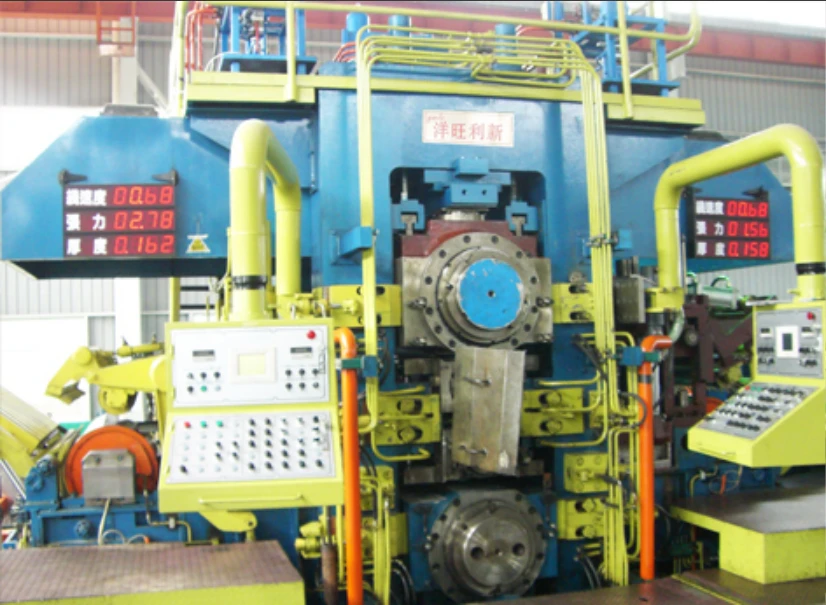
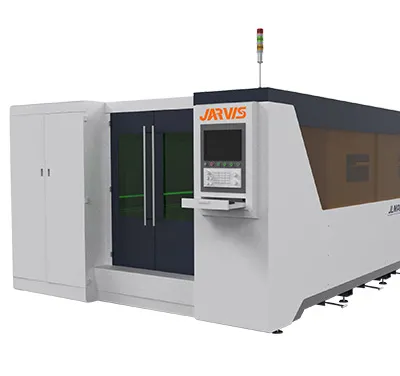
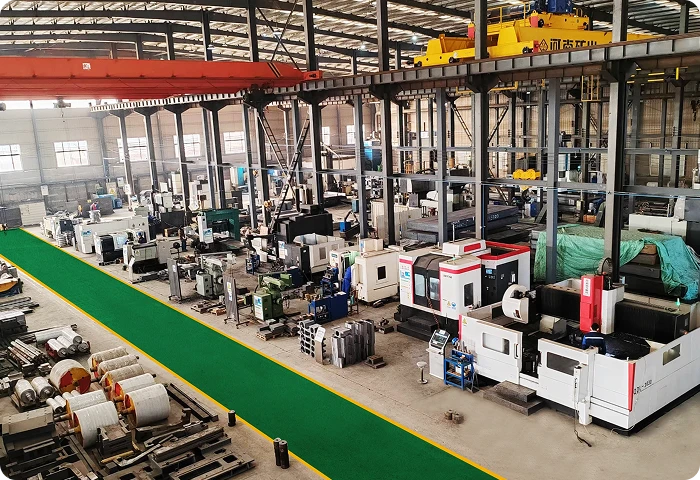
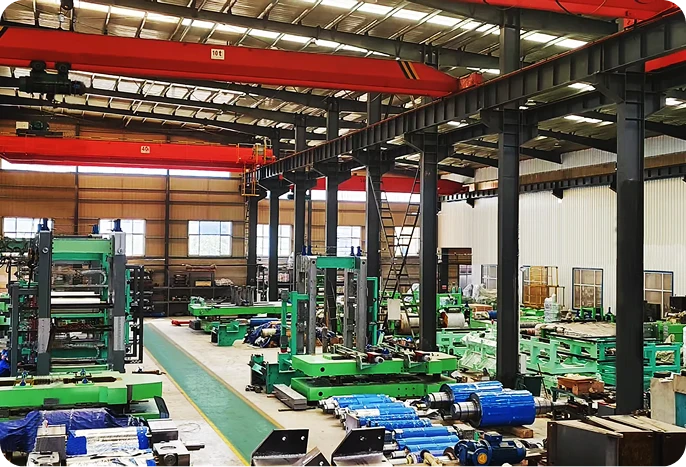
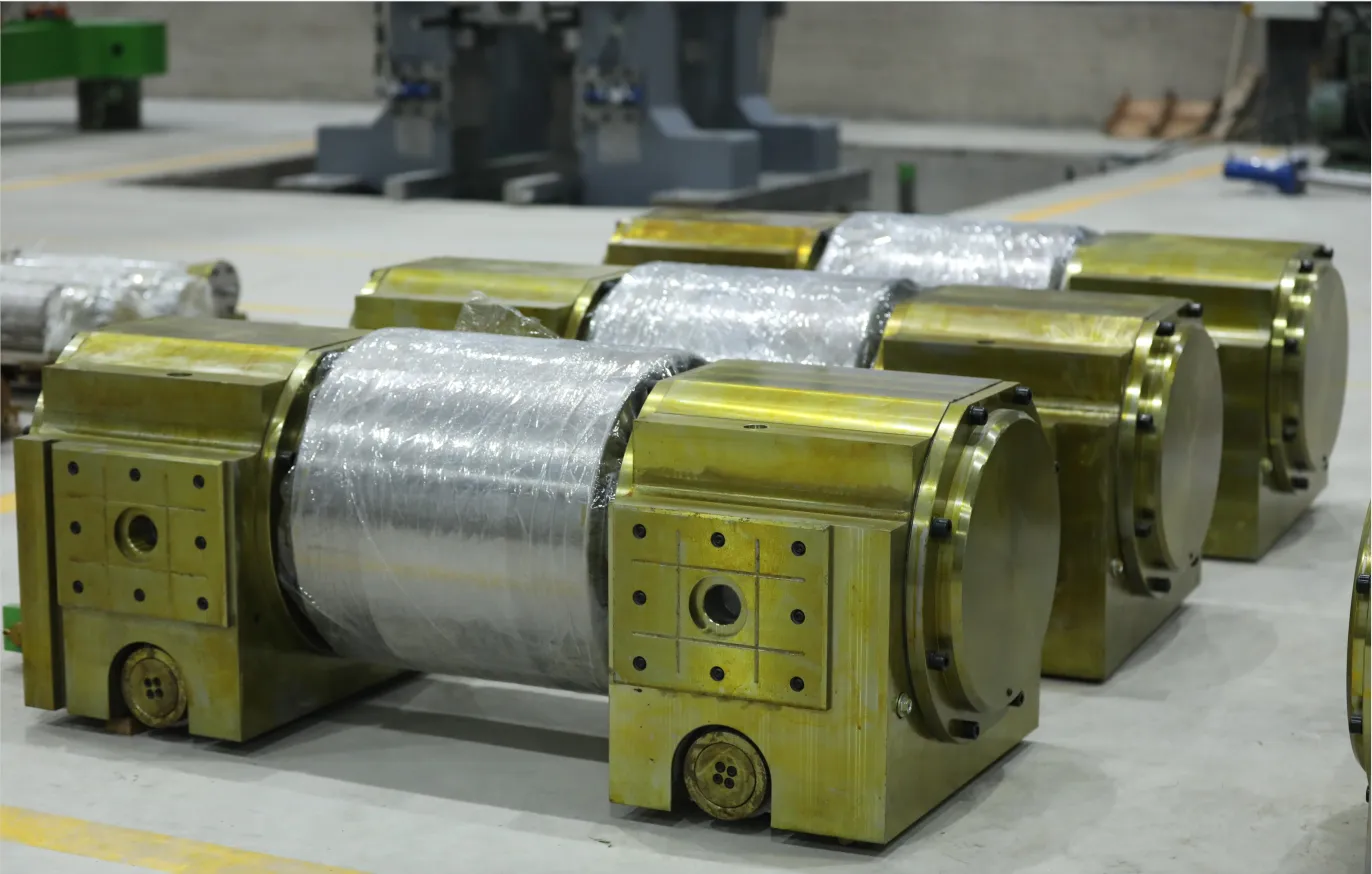
Yang Wang Li Xin operates a state-of-the-art facility over 66,000 square meters,and our manufacturing facility is fully equipped with high-tech machinery and high-capacity cranes. This enables us to handle large work pieces measuring 4.5m in width, 10m in length, and 1.5m in height, guaranteeing our capacity to produce 1800mm skin-pass mills and 1450mm rolling mills. The individual piece can weigh up to 100 tons.


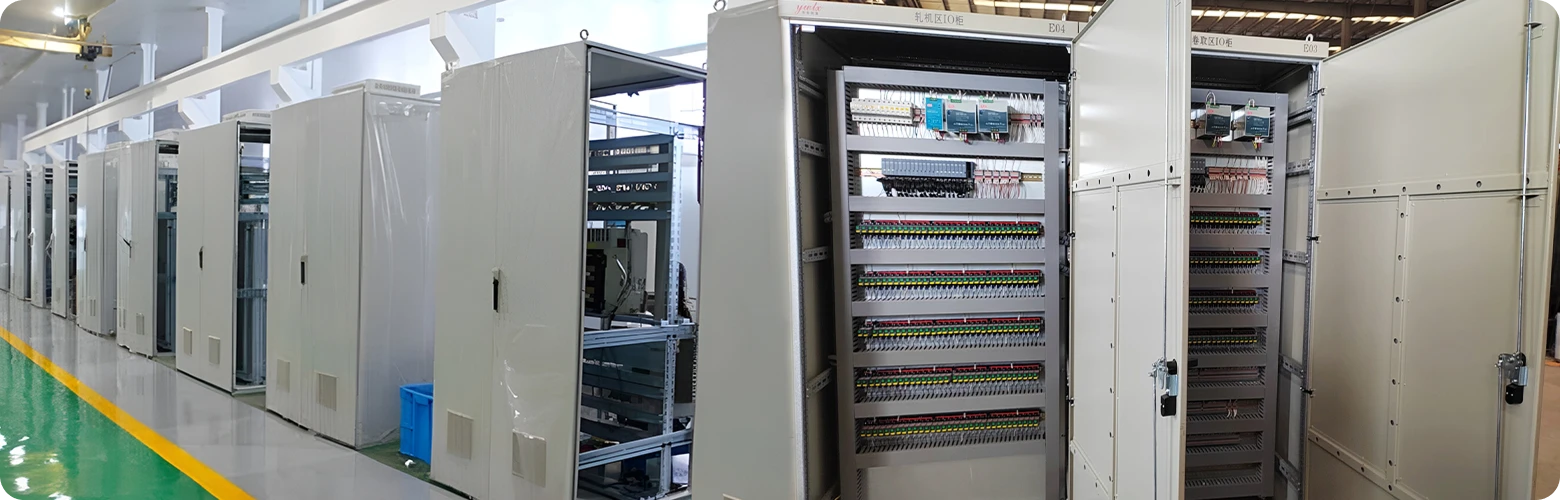
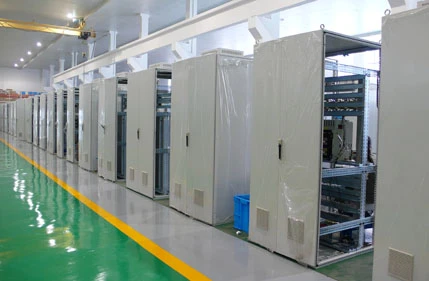
Quality is fundamental to the enterprise survival. We have established a comprehensive and meticulous quality management system and have successfully obtained ISO14000 certification. Starting from the design source, it supervises the entire production cycle, including design, procurement, processing, assembly, in-factory testing, installation, and online commissioning. The workshop is equipped with measuring tools like vernier calipers, spectrometers, hardness testers, and ultrasonic flaw detectors. They are used to check materials and control tolerances to ensure the final equipment meets or exceeds requirements. All products have a unique code, This enables the easy identification and traceability of the equipment components and ensures full control of quality.


-
 Cladding Rolling Mill-YWLX|Cold Rolling Cladding,Sustainable ManufacturingIntroduction The Cladding Rolling Mill by YWLX represents a revolutionary advancement in the production of clad materials, combining cutting-edge cold rolling cladding technology with environmental sustainability. As industries increasingly demand high-quality, cost-effective, and eco-friendly solutions, YWLX's innovation in roll bonding cladding and hot roll bonding cladding technologies has posi
 -
 Water Quenching Process: Fast, Uniform Cooling for Metalswater quenching process, water quenching, water quenching device is a key solution in the manufacturing industry, specifically within Special Equipment Manufacturing Industry and Manufacturing of metallurgical specialized equipment. This article explores how Beijing Yang Wang Li Xin Sci&Tech Co.,Ltd. supports professionals with durable, high-performance products, and explains why this product is a
 -
 Efficient Water Quenching Process for Optimal HardeningElectronica China stands as a beacon for technological innovation, drawing an international congregation of industry leaders, innovators, and decision-makers to explore the cutting edge of electronics manufacturing. More than just a showcase for semiconductors and components, this premier event illuminates the critical intersection of advanced electronics and sophisticated industrial engineering –


